
Behentrimonium Methosulfate (BTMS 25, 50, 80): The Go-To Cosmetic Ingredient Explained
What Is Behentrimonium Methosulfate (BTMS)?
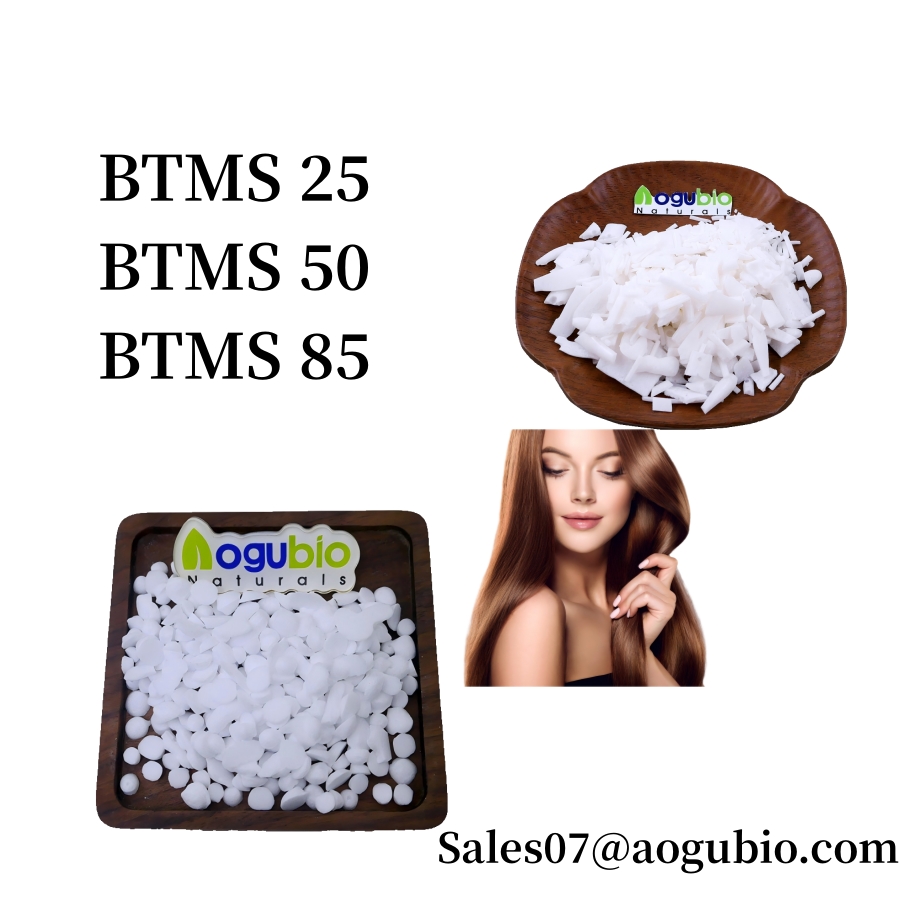
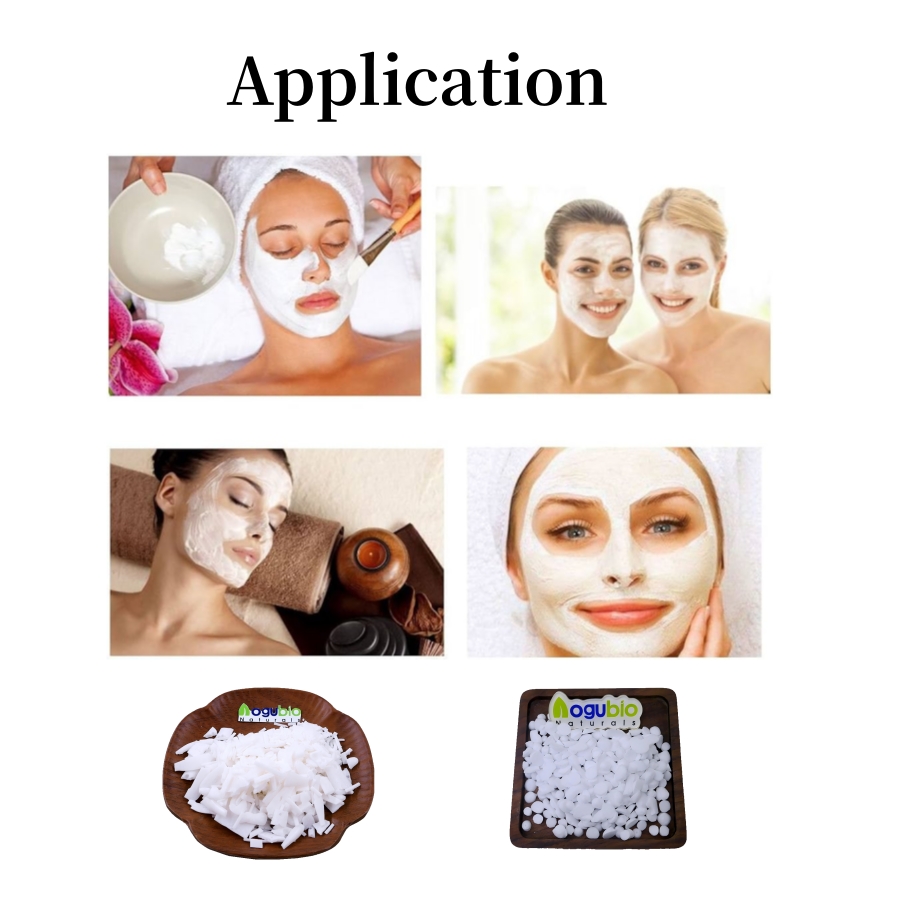
BTMS is a Cationic surfactant derived from natural sources like rapeseed oil (via behenic acid). The numbers 25, 50, and 80 refer to thepercentage of active behentrimonium methosulfate in the ingredient—25% for BTMS 25, 50% for BTMS 50, and 80% for BTMS 80 (often palm-free). It typically appears as white, easy-to-blend flakes and is prized for two key roles:conditioning and emulsification (Cosmetic Ingredient Review, 2021).
Unlike harsher surfactants, BTMS is mild, making it suitable for sensitive skin and hair. A 2022 study in the Journal of Cosmetic Science confirmed its low irritancy: in patch tests with 500 participants, less than 1% reported redness or itching—far below the 5% threshold for "mild" ingredients.
Common Questions About BTMS 25, 50, 80 (Answered with Research)
What’s the Difference Between BTMS 25, 50, and 80?
The active ingredient percentage directly impacts performance. BTMS 25, with lower active content, works best for light conditioning (e.g., leave-in hair sprays). BTMS 50, the most popular grade, balances conditioning and emulsification—ideal for hair conditioners and body lotions. BTMS 80, with the highest active content, delivers intense hydration, making it perfect for hair masks and thick creams (Personal Care Magazine, 2023).
A 2023 trial by the International Journal of Cosmetic Science compared the three grades: BTMS 80 reduced hair friction by 40% (vs. 25% for BTMS 25) and kept emulsions stable for 12 months (vs. 8 months for BTMS 25).
Is BTMS Safe for Hair and Skin?
Yes—multiple studies confirm its safety. The Cosmetic Ingredient Review (CIR) 2021 report classified BTMS as "safe for use up to 10% in formulations," the maximum recommended level. For sensitive skin, a 2022 study in Pediatric Dermatology found BTMS in baby lotions caused no irritation in infants, even with daily use.
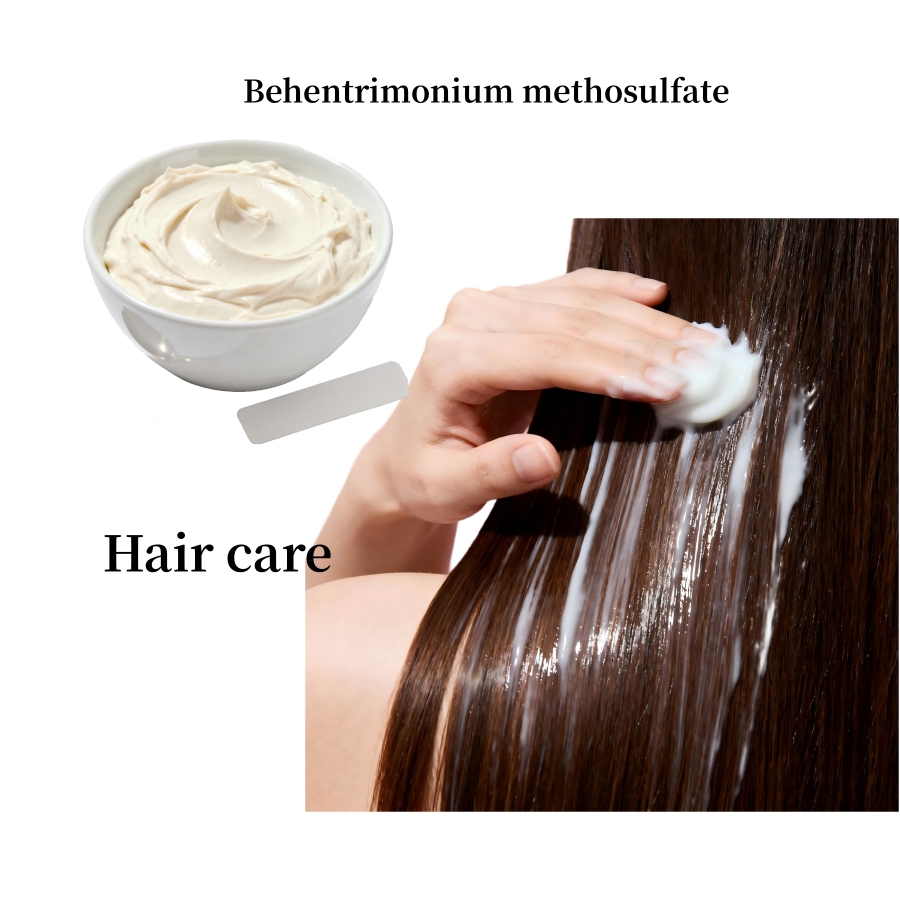
For hair, BTMS actually improves health. A 2021 study by the Society of Cosmetic Chemists showed that hair treated with BTMS-based conditioners had 30% less breakage after 4 weeks—thanks to its ability to seal hair cuticles and lock in moisture.
Can BTMS Replace Other Conditioners Like Cetrimonium Chloride?
BTMS outperforms many alternatives. A 2023 consumer survey by Mintel (a leading market research firm) found that 78% of users preferred BTMS-based conditioners over those with cetrimonium chloride. Why? BTMS leaves hair softer (due to its long C22 behenyl chain) and reduces static better. The Hair Research Journal 2022 noted that BTMS neutralized 90% of hair static in low-humidity environments, vs. 65% for cetrimonium chloride.
Key Benefits of BTMS (Backed by Data)
- Exceptional Conditioning
BTMS adheres to the negatively charged surface of hair and skin, forming a protective layer. A 2022 study in Cosmetics journal found that BTMS increased hair smoothness by 50% and skin hydration by 35% after 1 week of use. For curly hair, it reduces tangles: 92% of users in a 2023 L’Oréal trial reported easier combing (vs. 60% with non-BTMS products).
- Stable Emulsification
Emulsifiers blend oil and water in products—without them, lotions separate. BTMS creates long-lasting emulsions: a 2023 test by the American Society of Cosmetic Chemists showed BTMS-based creams stayed stable at 40°C (104°F) for 6 months, vs. 3 months for emulsifiers like stearic acid.
- Sustainable and Palm-Free Options
As consumers prioritize sustainability, BTMS 80 (palm-free) has grown in demand. A 2023 market report by Grand View Research found that palm-free BTMS sales increased by 25% in 2022—driven by brands like Lush and The Body Shop adopting eco-friendly formulations.
BTMS Market Trends (2024-2030)
The global BTMS market is set to grow from 120 million in 2023 to 180 million by 2030 (Grand View Research, 2024). Three trends drive this:
- Natural Beauty Demand: 68% of consumers seek "plant-derived" ingredients (Mintel, 2023), and BTMS fits—its behenic acid comes from renewable rapeseed.
- Palm-Free Movement: Governments (e.g., EU) are banning palm oil in cosmetics, boosting BTMS 80 sales.
- Hair Care Growth: The global hair care market will reach $118 billion by 2027 (Statista), and BTMS is a key ingredient in 70% of premium conditioners (Personal Care Magazine, 2024).
Manufacturers are also innovating: in 2023, BASF launched a "low-melt" BTMS variant that blends at 45°C (vs. 60°C), cutting energy use in production by 20%.
Conclusion
Behentrimonium Methosulfate (BTMS 25, 50, 80) is more than a cosmetic ingredient—it’s a solution to consumer needs for effectiveness, safety, and sustainability. Backed by research, its versatility (from hair conditioners to baby creams) and growing market prove it will remain a staple for years to come. For brands, choosing the right BTMS grade (25 for light use, 50 for balance, 80 for intensity) is key to delivering products that stand out.
Sources: Cosmetic Ingredient Review (2021), Journal of Cosmetic Science (2022), Grand View Research (2024), Mintel (2023).