Leave Your Message

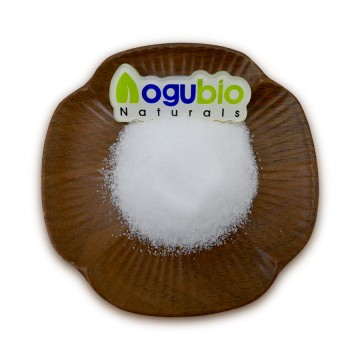
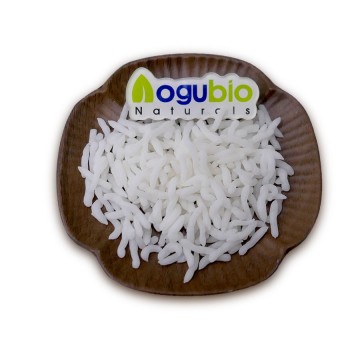
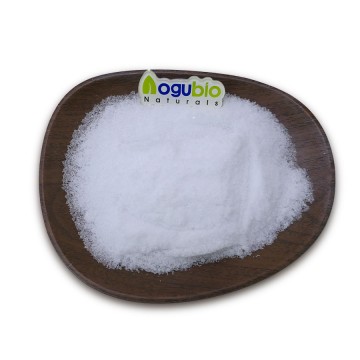
Sodium Hyaluronate For Skin Care
& Personal Care Product

The ultimate bio-compatible ingredient driving the future of hydration, anti-aging, and advanced cosmetic formulations through AI-driven R&D and sustainable bio-fermentation.

💧

The Science of Sodium Hyaluronate in Skincare

Sodium Hyaluronate, the water-soluble salt form of Hyaluronic Acid, has revolutionized the landscape of skin care and personal care products. Naturally occurring in the human body, this powerful humectant possesses the extraordinary ability to bind and retain up to 1,000 times its weight in water. Unlike standard hyaluronic acid, Sodium Hyaluronate has a smaller molecular size, allowing for superior penetration into the epidermis, delivering profound hydration at a cellular level.

The efficacy of Sodium Hyaluronate in personal care heavily depends on its molecular weight. In modern cosmetic chemistry, formulators utilize a multi-dimensional approach: High Molecular Weight (HMW) forms a breathable, protective, and hydrating film on the skin's surface, preventing transepidermal water loss (TEWL) and shielding against environmental aggressors. Medium Molecular Weight (MMW) works within the mid-dermal layers to provide lasting moisture retention. Low Molecular Weight (LMW) and Oligo-Sodium Hyaluronate penetrate deeply into the dermis, stimulating the skin's natural production of hyaluronic acid, promoting collagen synthesis, and visibly reducing the appearance of fine lines and wrinkles.

Beyond traditional facial serums and moisturizers, Sodium Hyaluronate is now a staple in a vast array of personal care formulations. It is extensively used in high-end shampoos and conditioners to restore scalp health and hair shaft moisture, in body lotions for full-body hydration, and even in color cosmetics—such as liquid foundations and lipsticks—to provide a flawless, non-creasing finish while nourishing the skin underneath.

📈

Commercial Landscape & Industrial Status

The global market for Sodium Hyaluronate in cosmetics is experiencing unprecedented growth, projected to reach multi-billion-dollar valuations by the end of the decade. This surge is driven by increasing consumer awareness regarding active ingredients, a shift towards non-invasive anti-aging solutions, and the booming demand for clean, biocompatible beauty products.

Industrially, the manufacturing of Sodium Hyaluronate has undergone a massive transformation. Historically extracted from rooster combs, the industry has universally pivoted to advanced microbial bio-fermentation. Utilizing safe bacterial strains such as Streptococcus zooepidemicus or genetically optimized Bacillus subtilis, modern production facilities can yield Sodium Hyaluronate of unparalleled purity, free from animal-derived contaminants. This bio-fermentation process not only ensures a vegan and cruelty-free supply chain but also allows manufacturers to precisely control the molecular weight distribution during the synthesis process, tailoring the ingredient for specific cosmetic applications.

The supply chain dynamics have also shifted. High-quality cosmetic raw material suppliers, particularly those based in high-tech zones with integrated R&D and manufacturing capabilities, are dominating the market. These facilities leverage economies of scale, stringent international quality control (such as GMP and ISO certifications), and vertical integration to provide stable, cost-effective, and high-purity Sodium Hyaluronate to global cosmetic brands.

🤖

AI Integration & Development Trends

As we look to the future of skin care and personal care products, the intersection of Artificial Intelligence (AI) and cosmetic chemistry is creating paradigm shifts in how Sodium Hyaluronate is formulated and utilized. AI algorithms are now being employed in the R&D phase to predict the synergistic effects of Sodium Hyaluronate when combined with other active ingredients like Peptides, Vitamin C, Niacinamide, and Retinol. Machine learning models can simulate thousands of formulation variations in seconds, predicting stability, shelf-life, and skin absorption rates without the need for endless physical trials.

Another major trend is Customized Skincare. AI-driven skin analysis apps allow brands to assess a consumer's specific skin hydration levels and environmental exposure. Based on this data, personalized serums are compounded on-demand, utilizing precise ratios of different molecular weights of Sodium Hyaluronate to target the individual's unique dermal profile.

Furthermore, the development of Cross-linked Sodium Hyaluronate (Hyaluronic Acid Elastomer) is gaining immense traction. By cross-linking the molecules, chemists create a dense 3D network that delivers moisture over a prolonged period—often referred to as a "moisture sponge." This innovation is highly sought after in overnight sleep masks, intensive repair creams, and advanced dermatological post-treatment care products.

About Aogebio LLC

Founded in 2013 and headquartered in the prestigious high-tech zone of Xi'an, Xi'an Aoge Biotech Co., Ltd., along with its subsidiaries Xi'an Imaherb Biotech Co., Ltd. and Xi'an Nahanutri Biotech Co., Ltd., has established itself as a leading force in the cosmetics raw materials industry.

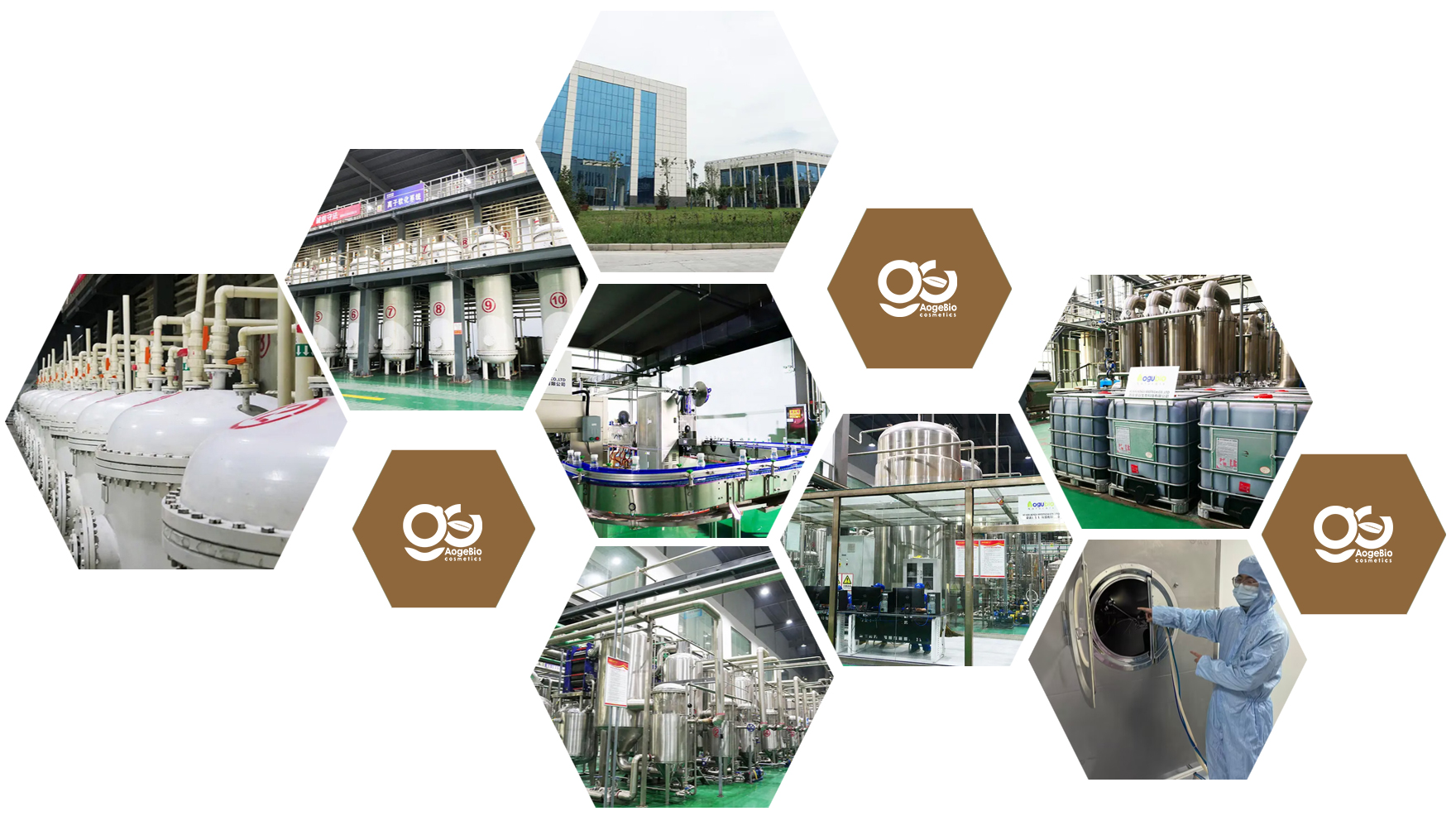
Our expansive cooperative factory, spanning 1,000 mu (approximately 165 acres), is equipped with state-of-the-art extraction technology. This advanced infrastructure allows us to manufacture a wide array of premium cosmetic raw materials, including high-purity Sodium Hyaluronate and other vital surfactants.

Our product line includes natural plant extracts specifically designed for organic cosmetics, as well as synthetic ingredients for high-end skincare formulations. These raw materials serve as the foundation for a multitude of skincare, haircare, and makeup products, ensuring superior quality and efficacy throughout the entire production process.

About Aogebio LLC - Premium Cosmetic Raw Materials

Our Global Impact

21+
Years of experience
50+
Drug (herb) tons per month
25000+
m² Factory Area
1000+
Spanning mu (165 acres)
🔬

Our Equipment & Quality Control

Ensuring the efficacy and safety of ingredients like Sodium Hyaluronate requires uncompromising precision. Our in-house laboratory is equipped with cutting-edge instruments for rigorous quality control. We utilize UPLC and HPLC for analyzing active components, GC and GC-MS for detecting solvent residues, ICP-MS for identifying heavy metals, and GC/LC-MS-MS for assessing pesticide residues.

Additionally, we employ HPTLC and IR for identification purposes, ELISA for determining ORAC values, PSL for evaluating irradiation residues, and conduct comprehensive microbiology tests. These measures guarantee that our raw materials adhere to stringent international standards, making them perfectly safe and highly effective for all skin care and personal care product applications.

Why Choose Us

At Aogebio, innovation, quality, and sustainability are the bedrock of our corporate philosophy.

Innovation in R&D

We pour relentless efforts into research and development, constantly exploring novel raw materials and advanced manufacturing techniques—such as AI-assisted formulation analysis—to stay ahead in the dynamic cosmetics industry.

Quality Control

Rigorous quality control is embedded in every step of our production process, from raw material sourcing to final product delivery, guaranteeing that each item adheres to the most stringent international standards.

Sustainability

Meanwhile, we actively embrace sustainable practices, striving to minimize our environmental footprint through eco-friendly production methods, bio-fermentation, and responsible sourcing.

Commitment to Excellence

This unwavering dedication enables us not only to consistently offer products of unparalleled excellence but also to contribute to the long-term, healthy development of the entire cosmetics industry.

🧬

Deep Application Scenarios of Sodium Hyaluronate

The versatility of Sodium Hyaluronate extends far beyond basic moisturization. In Anti-Aging and Restorative Skincare, it acts as a structural scaffold in the extracellular matrix. By maintaining an optimally hydrated environment, it facilitates cellular communication and accelerates epidermal repair, making it indispensable in post-sunburn care, acne scar treatments, and post-laser dermatological recovery creams.

In the realm of Advanced Personal Care, specifically oral care and intimate care, Sodium Hyaluronate is emerging as a star ingredient. Due to its exceptional mucoadhesive properties, it is incorporated into premium toothpastes and mouthwashes to soothe dry mouth (xerostomia) and promote gum health. In intimate hygiene products, its biocompatibility and gentle hydrating nature provide comfort and maintain the delicate mucosal balance without irritation.

Furthermore, the rise of Nutricosmetics (Beauty from Within) has seen food-grade Sodium Hyaluronate integrated into dietary supplements, gummies, and functional beverages. When ingested, it supports joint lubrication and contributes to systemic skin hydration, proving that the applications of this remarkable molecule span across both topical and internal health-beauty paradigms.